Gardening Services Wanstead — Recycling and Sustainability
Gardening Services Wanstead takes pride in running an eco-friendly waste disposal and sustainable rubbish gardening area designed to reduce landfill, support local reuse projects and lower carbon emissions across Wanstead and neighbouring boroughs. Our approach to green waste and mixed garden rubbish is practical and community-minded: we prioritise on-site sorting, composting, material reuse and partnerships so that soil, wood and plants find a second life instead of going to disposal. We believe small changes in how waste is handled can make a big difference to the local environment.Our operational model for gardening services in Wanstead blends accepted borough waste separation practices with practical, local solutions. The London boroughs around Wanstead encourage separation of green waste, mixed organics and general refuse at source, and our crews work within those rules to ensure correct segregation of material in the field. That means clear bins for green garden clippings, dedicated containers for reusable timber or paving and a separate stream for soil and compostable matter — which reduces contamination and improves recycling yield.
Recycling activity tailored to the area
We routinely recycle, recondition and redirect materials common to Wanstead gardens. Typical recycling activities include:- Green waste composting and municipal green bin processing for leaves and grass
- Wood and branch chipping, with larger timber sent for reclamation or biomass
- Soil screening and reuse for raised beds and community allotments
- Separation and reuse of paving slabs, bricks and hard landscaping materials
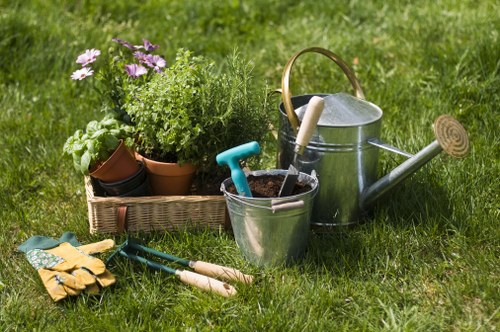
- Donation of potted plants, shrubs and healthy bedding plants to community gardens
Local transfer stations and recycling centres are an essential part of the circular flow we operate within. We work with civic transfer stations across Redbridge and neighbouring boroughs such as Waltham Forest and Newham to ensure material is delivered to the correct processing stream — whether that is a composting facility, wood processor or reuse depot. Our teams are trained to prepare loads to the exacting standards many centres require, reducing the need for double-handling and minimising transport emissions.
 Recycling percentage target: Our target is to achieve a 60% recycling and reuse rate for garden-related waste by the end of 2026, moving toward 70% by 2030 through improved segregation, increased donations and more onsite composting. This target is specific to green and garden-associated materials collected through Wanstead gardening services and reflects both material recovery and local redistribution to community projects. We will publish progress and adjust tactics to match borough guidance and infrastructure capacity.
Partnerships with charities and community organisations multiply the benefits of our work. We collaborate with local allotment groups, community gardens, The Conservation Volunteers (TCV) and Groundwork-style organisations to redirect reusable soil, plants and timber to community projects. National reuse charities and local social enterprises also accept certain landscaping materials — for example, usable planters, intact paving and garden furniture can be donated rather than discarded. These partnerships keep materials local, support social programmes and reduce the embodied carbon of new purchases.
Low-carbon vans and a greener fleet are central to our sustainability strategy. Our Wanstead gardening services fleet includes electric vans, plug-in hybrids and Euro-6 efficient diesel vehicles used only when necessary for longer or heavier jobs. Route optimisation software reduces mileage and idle time, and we consolidate loads to minimise trips to transfer stations. The combination of electrified vehicles and smarter logistics delivers measurable reductions in CO2 emissions compared with conventional operations.
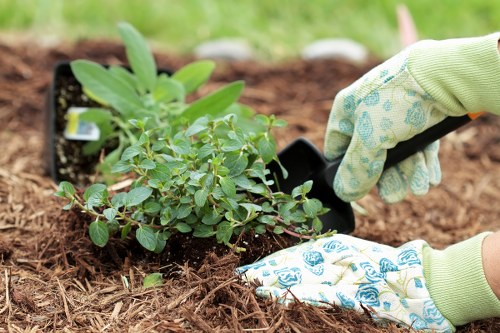
Sustainable rubbish gardening area and on-site procedures
In practice, our sustainable rubbish gardening area is a portable system we introduce to each site: a clearly labelled set of containers for green waste, clean soil, reusable hardscape, and non-recyclable refuse; a compact composting bay or receptacle where possible; and a small reuse corner for items that can be offered to neighbours or community projects. These systems respect borough guidance on household and garden waste separation while providing practical sorting that increases recovery rates on every job.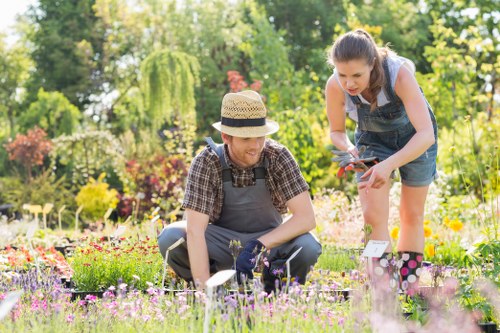 We also emphasize staff training and customer communication as part of Wanstead gardening services. Crews are trained to identify materials suitable for donation, explain separation steps to clients and operate within local transfer station rules. Wherever possible we divert materials to reuse, reuse processing centres or community-led landscaping projects rather than opting for disposal. This reduces local transport, supports the circular economy and preserves green spaces for future generations.