Gardening Services in Wanstead
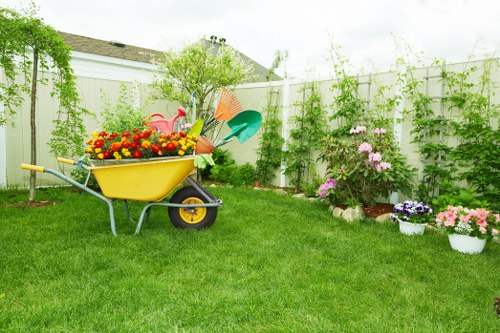
Gardening Services Wanstead helps households and property owners keep outdoor spaces orderly, healthy and ready for everyday use. Our work can include regular garden maintenance, lawn mowing, hedge trimming, planting care and clearance support, with each visit shaped around the condition of the space and the results you want to achieve. Where needed, we can also combine tasks so that the garden feels more balanced rather than simply tidied in isolation.
For many people, the value of a good gardening service is not just appearance. It is also about practical upkeep, safe access, and avoiding the gradual build-up of work that becomes harder to manage later. We focus on sensible, visible improvements and clear choices about what should be cut back, removed, retained or refreshed. If you are planning a one-off visit or a recurring arrangement, you can request a quotation once you have a clear idea of the work you would like covered.
Our approach is straightforward: we look at the condition of the garden, discuss the priority areas and carry out the work in a way that suits the site. Some customers need a tidy-up after a period of neglect; others want help maintaining hedges, lawns and beds throughout the season. If you already know the main tasks, you can send a brief description of the area and the work required to help shape the quote. We aim to make the first step easy to understand.
Regular Garden Maintenance
Routine garden maintenance is often the easiest way to stop a space drifting into a larger project. Our maintenance work can cover seasonal trimming, weeding, leaf clearance, deadheading and light shaping, depending on the state of the garden and the level of attention it needs. The aim is to keep borders, paths and planting areas manageable without overworking features that still have useful structure.
Garden maintenance is suitable for gardens that need steady care rather than a single dramatic overhaul. A well-planned visit can reduce untidy growth, improve access and make later work simpler. We can adjust the scope so that the most important parts are addressed first, which is useful when a garden has mixed conditions or different areas need different levels of attention.
When a maintenance visit is being arranged, two details are especially helpful: the general size of the garden and the tasks that matter most to you. It also helps to note whether there are areas you want left untouched, such as newly planted beds or wildlife-friendly corners. You do not need to produce a perfect list, but a short outline makes it easier to agree what should happen on the day and keeps the service focused.
Lawn Care and Mowing
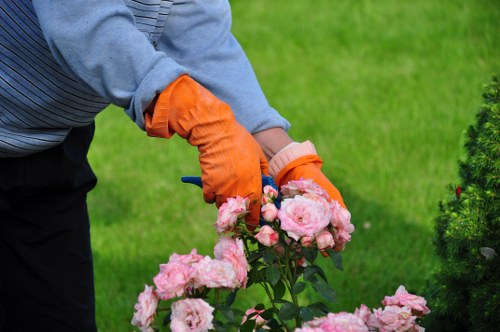
Lawn care is one of the most visible parts of garden upkeep, because grass can quickly change the overall impression of the whole site. Our lawn mowing service is aimed at keeping grass at a manageable length, improving the finish around edges and helping the lawn look more even. Where required, the job can also include tidying the cuttings and neatening access points so that the rest of the garden feels better ordered.
Lawn mowing is usually best planned around the condition of the grass rather than a fixed idea of what every lawn should look like. Some lawns need a light, regular cut; others benefit from a more careful first visit if the growth has become long or uneven. We take the condition of the turf into account so the work supports the lawn rather than putting unnecessary stress on it.
Good lawn results often depend on small practical decisions, such as where the mower can reach, whether the edges need trimming by hand and whether any awkward corners need a separate pass. If you are asking for a quotation, it is useful to mention access, surface type and any areas that should be handled carefully. These details help keep the service realistic and avoid assumptions about the condition of the grass.
Hedge Trimming and Shaping
Hedges can define a garden, provide screening and create structure, but only if they are kept in reasonable shape. Our hedge trimming work is designed to reduce overgrowth, restore clearer lines and remove untidy extensions without cutting back more than is needed. Depending on the hedge type and the intended finish, we can work on straight boundaries, shaped features or mixed planting that needs a lighter touch.
Hedge trimming is useful where growth has started to obstruct paths, windows, driveways or neighbouring boundaries. It can also make the rest of the garden easier to maintain by reducing the amount of stray growth that drops into other areas. For taller or broader hedges, the important issue is usually control and finish rather than speed, so the work is carried out with an eye on proportion as well as tidy appearance.
Some hedges respond better to a careful trim than a hard reduction, and the right method depends on the plant, the season and the current shape. If you are comparing options, think about whether you want a light tidy, a more obvious reduction or help with repeated maintenance through the year. Clear instructions make a noticeable difference here, because hedge work is as much about judgment as it is about cutting.
Garden Clearance for Overgrown Areas
Garden clearance is often the right starting point when a space has become too crowded, heavily weeded or difficult to use. Our clearance work can involve removing brambles, cutting back dense growth, collecting waste material and opening up space so that the garden can be seen and managed properly again. It is a practical service for gardens that need a reset before ongoing maintenance or further improvements.
Garden clearance can be particularly useful where previous upkeep has been interrupted or where an area needs attention before planting, repairs or redesign. The work is usually more effective when the main priorities are clear from the outset: access routes, overgrown beds, tangled corners, unwanted self-seeded growth or accumulations of green waste. That way, the day is spent on the parts that matter most.
After a clearance, some gardens are ready for simple maintenance, while others still need more considered planning. We can help with the first stage by making the space workable again, but it is worth separating clearing from longer-term planting or layout changes. If you want the job quoted accurately, mention whether the site is lightly cluttered or significantly overgrown, as this affects the scale of work required.
Landscaping and Outdoor Improvements

Landscaping can turn a garden from a set of separate areas into a more coherent outdoor space. Our landscaping work may involve reshaping planted areas, improving edges, refreshing tired sections or combining practical tidy-up work with broader visual changes. Rather than treating every garden as if it needs the same treatment, we look at what will make the space more useful, more balanced and easier to care for over time.
Landscaping is often best approached with a clear sense of priorities. Some customers want the space made simpler to maintain; others want stronger definition between lawn, borders and paths; others are mainly after a neater finish that improves the overall appearance. Where the requirements are modest, a carefully chosen set of changes can be more effective than a larger intervention that adds unnecessary complexity.
If your project is mainly about improving the layout or appearance rather than carrying out routine garden care, it helps to say which features should stay and which should change. Practical landscaping is usually strongest when it respects the existing shape of the garden while improving how the space works day to day. A short written outline is often enough to start a useful conversation about scope.
Landscape Gardening for Tidy, Usable Spaces
Landscape gardening sits between maintenance and more visible redesign work. It can include bed preparation, simple planting changes, boundary improvements and alterations that give the garden better structure. We use the term broadly here to cover work that improves the arrangement of the outdoor space without assuming a full rebuild is necessary. The focus is on making the garden more coherent, not just more decorative.
Landscape gardening can be a sensible choice when a garden feels fragmented or no longer matches the way it is used. Some areas may benefit from new planting, while others simply need to be opened up or edged more clearly. The main advantage is that changes can be planned around how the site is actually used, rather than forcing a generic layout onto it.
For jobs of this type, it is worth separating what is essential from what is desirable. That makes it easier to manage the work in stages if needed and to focus the quotation on the most useful elements first. If the plan includes more than one type of task, try to identify the parts that need skilled shaping and the parts that are mainly clearing or tidying. This helps keep the service efficient and realistic.
Preparing a Quotation and Defining the Work
Good quotations begin with a clear understanding of the garden and the result you want. The simplest way to proceed is to describe the areas involved, the main tasks and anything that needs special attention, such as fragile plants, narrow access or heavy growth. That gives a much better starting point than asking for a broad price without context, because garden work varies widely from one site to another.
Pricing and quotes are usually easier to discuss once the scope is clear. Factors such as the size of the garden, the amount of cutting or clearing, the condition of the lawn or hedge and the need to remove waste can all influence the final figure. A well-structured quotation is less about guessing and more about matching the work to the actual conditions.
Two practical details are often enough to improve the process: a rough description of the space and a note about access. If gates are narrow, if equipment has to be carried through the property, or if certain areas are delicate, it is worth mentioning. You do not need a full survey to begin; you just need enough detail for the work to be understood properly. Request a quotation when you are ready to move from ideas to a defined job.
About Wanstead
Wanstead is a district in east London with a strong village-like character within the wider urban setting of the capital. Historically part of Essex, it developed around Wanstead House and the routes that linked the area with Stratford and Leytonstone, and its present-day identity is shaped by a mix of long-established residential streets, green spaces and local amenities. The district sits close to Epping Forest, which has long influenced the feel of the area by giving it a more open and leafy edge than many nearby neighbourhoods. Wanstead Park forms part of the wider green landscape, with remnants of the former landscaped estate that once surrounded Wanstead House. The area also includes Wanstead Flats, a large open space that is often associated with walking, informal sport and broad views across the horizon. Transport is an important part of the locality’s character too, with Wanstead station on the Central line connecting it to central London and surrounding districts. Local architecture varies from Victorian and Edwardian terraces to later residential developments, creating a streetscape that mixes scale and period. Commercial life is concentrated along the main roads and local centres, while the surrounding residential streets retain a quieter atmosphere. The district’s history, open spaces and transport links combine to give it a distinct place within east London.
For gardens in this kind of setting, the useful decisions are often about keeping spaces ordered, visible and easy to manage across the seasons. Long-term neatness usually depends on regular mowing, careful trimming and attention to overgrowth before it spreads. Where the work is more involved, a clearance or landscaping stage can restore structure and make later upkeep simpler. If the space needs attention now, the next step is straightforward: ask for a quotation and outline the work you want done.
Waste Removal, Finishing Touches and Ongoing Care

After the main gardening tasks are complete, the finishing stage matters more than many people expect. Tidying the cut material, clearing paths and checking the visible edges can change the overall result from “done†to properly finished. Where there is green waste to remove, the work should leave the garden looking orderly rather than simply cut back. This final stage is especially important after hedge work, clearance or broader maintenance visits.
Recycling and sustainability is relevant whenever plant material and garden waste need handling after a visit. A sensible approach is to keep waste separation practical and to avoid unnecessary disposal where a simpler solution is appropriate. That does not mean every job is the same, but it does mean the final tidy-up should be considered part of the service rather than an afterthought.
Some customers prefer a one-off visit to bring the garden back under control, while others want recurring support so that the space stays manageable without becoming a large seasonal project. If you are unsure which route suits you best, think about how quickly the garden changes and how much work you want to avoid later. A short discussion about the current condition and the tasks you want covered is usually enough to plan the next step.
Service Choices and Site-Specific Options
One reason gardening work needs a clear brief is that different spaces need different combinations of attention. A front garden may mainly need mowing, edging and light trimming, while a rear garden may require clearance, hedge work and planting care. Our service range is broad enough to deal with mixed sites, but each part should still be defined properly so the right tasks are included and unnecessary work is avoided.
Services overview can help when you want to compare the main kinds of work before deciding what to book. That is useful if you are balancing routine care against a more involved tidy-up or planning several tasks at once. The better the match between the service and the actual condition of the garden, the more straightforward the job tends to be from start to finish.
Think in terms of outcome, not just individual tasks. If the goal is easier upkeep, the service may focus on reduction and access. If the goal is a smarter appearance, the work may give more attention to line, balance and finish. If the goal is to restore a neglected space, clearance may come first, followed by maintenance. Choosing the right combination makes the quotation more useful and the result more coherent.
Booking the Work and Getting Started

Once the job has been defined, booking becomes much easier to manage. The key is to share the main tasks, the size of the area and any constraints that could affect access or handling. If you are unsure whether the garden needs maintenance, mowing, hedge trimming or clearance first, a brief description of the current state will usually point to the most suitable starting point. That avoids overcomplicating the first conversation.
We keep the process practical and focused on the work itself. You do not need to write a long explanation, but a short message that says what is visible, what should be done and what should be left alone is helpful. If there are several parts to the garden, you can separate them into broad groups so the quotation reflects each area properly. It is a simple way to keep expectations clear.
To move ahead, contact us with a few details about the garden and the kind of work you want carried out. If you already have a clear brief, you can also request a quotation and explain whether the job is a one-off or part of a longer plan. The sooner the scope is set out, the easier it is to arrange the right gardening service for Wanstead.