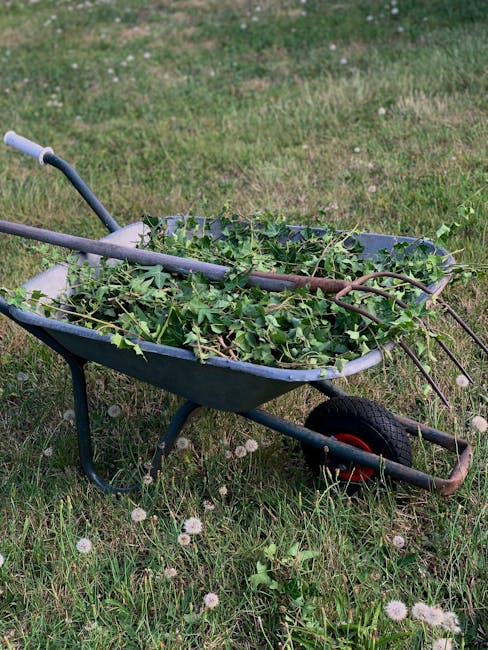
Same day Wanstead gardeners for urgent tidy and clearance
If your garden has suddenly tipped from "a bit untidy" into "we really need this sorted today," you are not alone. Same day Wanstead gardeners for urgent tidy and clearance are there for those moments when weeds have run wild, bins are full, paths are hidden under cuttings, or a property needs to look presentable fast. It might be a rental handover, a family gathering, an end-of-tenancy deadline, or just the kind of overgrown mess that builds up quietly and then feels overwhelming by Tuesday afternoon. This guide explains how urgent garden tidy-ups work, what to expect, and how to get the best result without wasting time or money.
We will look at the practical side as well as the trust side: what gets done in a same-day visit, when garden clearance is the right option, how to brief a team clearly, and what can make the difference between a decent tidy and a proper reset. Truth be told, speed matters here, but so does judgement. A rushed job done badly is still a rushed job.
For a broader view of service options, you may also find the services overview useful, especially if your urgent tidy is part of a larger outdoor plan.
Table of Contents
- Why Same day Wanstead gardeners for urgent tidy and clearance Matters
- How Same day Wanstead gardeners for urgent tidy and clearance Works
- Key Benefits and Practical Advantages
- Who This Is For and When It Makes Sense
- Step-by-Step Guidance
- Expert Tips for Better Results
- Common Mistakes to Avoid
- Tools, Resources and Recommendations
- Law, Compliance, Standards, or Best Practice
- Options, Methods, or Comparison Table
- Case Study or Real-World Example
- Practical Checklist
- Conclusion
- Frequently Asked Questions
Why Same day Wanstead gardeners for urgent tidy and clearance Matters
A garden does not usually go from tidy to troublesome in one dramatic leap. It happens in layers. A few missed mows, a hedge that gets left another week, a pile of branches after stormy weather, and suddenly the space feels like work rather than a place to enjoy. Same-day help matters because it stops the problem from spreading. That is especially useful in Wanstead, where many homes have compact front gardens, shared access paths, side returns, or rear spaces that need to look orderly with minimal notice.
Urgent tidy and clearance is not just about appearance, either. Overgrown areas can block access, hide trip hazards, attract pests, and create stress for anyone trying to sell, let, repair, or simply use the space. When people ask for a fast garden tidy, they are often really asking for breathing room. They want the garden to feel manageable again. And fair enough.
There is also a timing element. If you need a space ready for viewings, visitors, a landlord inspection, or builders coming in tomorrow morning, a delay of even a day can be awkward. Same-day gardeners are useful because they bring structure to a situation that feels slightly chaotic. Not magic, obviously. But close enough on a busy day.
Expert summary: urgent garden tidy-ups work best when the goal is clear, the access is straightforward, and the team knows whether the priority is presentation, clearance, safety, or all three at once.
If your garden is beyond a light tidy and needs heavier removal, the dedicated garden clearance service is often the better fit than a simple mow and sweep.
How Same day Wanstead gardeners for urgent tidy and clearance Works
The process is usually more straightforward than people expect. You contact the team, explain what is urgent, and describe the condition of the garden as honestly as you can. Is it mainly leaf fall and surface debris? Is there dense growth, broken branches, bags of waste, or a lawn that has become a bit of a jungle? The more specific you are, the better the allocation of time, tools, and manpower.
In many urgent cases, the work begins with a quick assessment on arrival. A good gardener will look at access routes, waste volume, safety issues, and the order of operations. That might mean clearing walkways first, removing bulky debris, then cutting back plants, and finally finishing with mowing, edging, and a tidy sweep. Sometimes the job is obvious. Sometimes you uncover two more jobs while doing the first one. Gardens love that trick.
The best same-day visits are practical and focused. They are not usually about redesigning the whole outdoor space. They are about making a visible difference fast. If more involved reshaping is needed, that can be discussed separately as part of landscape gardening or broader landscaping work later on.
A typical urgent tidy may include:
- clearing leaves, twigs, and loose debris
- bagging or loading green waste
- mowing overgrown lawns where feasible
- cutting back light overgrowth
- strimming edges and awkward corners
- reducing clutter around paths, steps, and entrances
- basic shaping of shrubs and hedges
- leaving the space swept and presentable
The exact scope depends on the condition of the garden, the time available, and whether any specialist work is needed. A fallen tree limb, for example, is a different matter from a hedge that simply needs taming. In those cases, tree lopping and removal may be the relevant route rather than a standard tidy-up.
Key Benefits and Practical Advantages
The most obvious benefit is speed, but there is more to it than that. A same-day visit can stop a small problem from becoming a bigger and more expensive one. A lawn that has gone unchecked may still recover after a decent cut, but leave it long enough and you risk clumping, patchiness, and more work later. Likewise, neglected hedges are easier to shape before they turn into a wall of tangled growth.
There is a big mental benefit too. Let's face it, walking past an untidy garden every day gets tiring. It nags at you in the background. Once it is cleared, even partially, the whole house can feel calmer. You notice the light again. You can hear birds rather than just rustling mess. Slightly dramatic perhaps, but very real.
Other practical advantages include:
- Better first impressions: useful for sales, lettings, or visitors
- Safer access: clear paths and steps reduce trip risks
- Faster turnaround: ideal when time is tight
- Less waste buildup: debris removed before it spreads
- More usable space: you can actually get into the garden again
- Flexible scope: tidy, mow, prune, and clearance can be combined
Another advantage, often overlooked, is sequencing. A good urgent tidy can reveal what really needs attention next. Maybe the hedge only needed a light trim. Maybe the lawn needs proper maintenance. Maybe there is a drainage issue, a damaged decking edge, or a patch of dead growth that needs longer-term attention. That next-step clarity can save a lot of muddling around.
Where a garden needs regular upkeep after the emergency has passed, a planned garden maintenance visit can help stop the same situation repeating in a few weeks.
Who This Is For and When It Makes Sense
Same-day gardeners are not only for dramatic emergencies. They are for anyone with a deadline, a health concern, a property issue, or simply not enough hours in the day. If you have ever looked at a back garden on a Friday evening and thought, "Well, that has become a bit much," you already understand the use case.
This service makes sense for:
- homeowners preparing for guests, events, or family gatherings
- landlords and letting agents needing quick presentation fixes
- tenants aiming to leave a property tidy at short notice
- people returning from holiday to find the garden has run ahead of them
- older residents or busy families who need practical support fast
- properties affected by bad weather, dropped branches, or leaf fall
- buyers and sellers wanting a garden to look cared for before a viewing
It also makes sense when you do not need a full redesign, but you do need the space to look orderly and safe. If the whole plot has become overgrown and cluttered, the issue is more than cosmetic. If there are heavy cuttings, structural concerns, or too much material to handle in one go, the job edges into clearance territory, which is exactly where a more robust service helps.
For routine tasks like keeping lawns, hedges, and borders under control after the urgent clean-up, services such as lawn mowing and hedge trimming often become the natural follow-up.
Step-by-Step Guidance
If you want the best result from a same-day visit, the brief matters. Here is a practical way to approach it.
- Describe the problem clearly. Say whether it is a tidy, clearance, mow, cut-back, or a combination. Mention any bulky waste, broken branches, narrow access, or time constraints.
- Share what matters most. If appearance is key, say so. If safety or access is the priority, make that clear. The order of tasks changes depending on the goal.
- Provide access details. Side gate, locked rear access, shared path, on-street parking, or awkward steps all affect how quickly work can begin.
- Flag anything fragile or restricted. Potted plants, ornaments, lights, or pet areas are easy to damage if nobody knows they are there. Better to mention them up front.
- Ask what can realistically be completed today. A decent provider will tell you honestly whether the scope fits the time available. It is better to hear "we can clear the worst of it today" than to be promised the moon and get half a hedge.
- Confirm waste handling. Check how green waste will be removed, whether it is bagged, loaded, or separated, and whether recycling is part of the process.
- Review the result before the team leaves. Walk the space if you can. Check entrances, corners, paths, and anything important to you. This is the moment to mention one last detail.
A small tip from experience: if the garden has multiple problem zones, point them out in priority order. Front first, then rear, then side return, or whatever matters most. That one bit of guidance saves time and avoids the classic "we cleared the back but not the entrance" frustration.
Expert Tips for Better Results
Good results often come down to preparation and sequencing, not just effort. A rushed tidy can still be effective if the work is directed properly. Here are a few things that genuinely help.
- Be decisive about the outcome. Do you want "presentable," "safe," or "cleared back hard"? Those are not quite the same thing.
- Separate keep and remove items beforehand. If there is furniture, plant pots, or tools you want to keep, move them aside so they do not get mixed into clearance work.
- Tell the team about stubborn growth. Brambles, ivy, bamboo, self-seeded saplings, and thick climbers can take longer than people expect.
- Consider the weather. A damp day changes the pace of mowing and waste handling. Nothing dramatic, but it matters.
- Think about the follow-up. If the space is likely to re-overgrow quickly, book maintenance before things slide again.
One useful approach is to treat the first same-day visit as a reset, not the final word. In other words, get the garden back under control, then decide what deserves longer-term attention. That can include planting changes, border definition, or more planned outdoor improvements such as decking services if the area would benefit from a more structured layout later on.
And yes, there is such a thing as over-tidying. If every plant gets cut to a stump just because the garden is being cleared quickly, you may end up with a space that looks harsh rather than healthy. A skilled gardener knows when to hold back a little.
Common Mistakes to Avoid
The biggest mistake is assuming every urgent job is the same. It is not. A light tidy and a full clearance require different tools, different timing, and different expectations. If you blur the two, you may be disappointed with a perfectly reasonable result.
Other common mistakes include:
- Under-describing the job: saying "just a quick tidy" when the garden is heavily overgrown
- Leaving access unclear: which slows the job more than people realise
- Forgetting waste volume: especially after storms or long periods of neglect
- Expecting full landscaping in one same-day visit: that is usually a separate project
- Ignoring safety issues: broken glass, nails, slippery surfaces, or unstable branches should be mentioned
- Not planning what happens after the tidy: because the garden can slide back fast if nothing else changes
Another subtle mistake is focusing only on the most visible mess. Sometimes the entrance looks rough, but the real issue is a hidden corner full of heavy cuttings or a hedge line that is encroaching on a fence. Those smaller zones can be the reason a space still feels untidy even after the obvious stuff has been swept away.
Also, don't wait for the garden to become a full-scale weekend project from hell. Honestly, that rarely improves the mood.
Tools, Resources and Recommendations
For urgent tidy and clearance work, the right tools make a noticeable difference. Most of the heavy lifting is practical rather than glamorous: mowers, strimmers, shears, saws where appropriate, rakes, bags, wheelbarrows, and reliable waste-handling equipment. For tighter urban gardens, compact tools and sensible sequencing matter more than brute force.
Useful recommendations for homeowners include:
- Keep access clear: unlock gates, move cars if possible, and open side paths
- Have a short priority list: entrance, lawn, hedge, debris, or whatever comes first
- Protect valuables outdoors: cushions, ornaments, cables, and toys are best moved in advance
- Know what can stay and what must go: especially if the garden contains mixed waste
- Ask about recycling: many clients prefer green waste to be handled responsibly
If sustainability is important to you, that is worth mentioning early. The team can then plan sorting and disposal in a way that aligns with recycling and sustainability practices rather than treating everything as a single mixed pile.
For people comparing providers, useful trust markers include clear pricing information, sensible communication, and straightforward policies. Pages such as pricing and quotes, insurance and safety, and health and safety policy help you understand how a professional service approaches risk and expectations. It is not flashy, but it matters.
Law, Compliance, Standards, or Best Practice
Garden work in the UK is usually straightforward, but it still benefits from proper care. Waste should be handled responsibly, access should be safe, and tools should be used with an eye on injury prevention. If there are sharp materials, unstable branches, blocked paths, or hidden hazards, these should be managed rather than shrugged off. Common sense, really, but common sense gets forgotten when people are in a hurry.
For homeowners and landlords, the practical best practice is to keep the site safe for anyone entering the space. That means clear paths, no obvious trip hazards, and no loose debris left where someone might step on it later. If the work involves ladders, cutting equipment, or heavier removal, it should be carried out by people who understand the risks and the limits of the job.
Property managers may also want to consider documentation and payment clarity. Having a transparent quote, clear scope, and defined finish point avoids awkward misunderstandings later. If you are comparing services, it can help to review business information such as about us, terms and conditions, and the provider's stated procedures. That does not guarantee perfection, of course, but it gives you a much better read on how they work.
One important note: if your garden contains protected trees, severe damage, or a larger structural issue, a tidy-up may not be the right place to start. In that case, the safer move is to identify the issue properly first and avoid rushing into cutbacks that create more problems than they solve.
Options, Methods, or Comparison Table
Not every outdoor job needs the same level of response. Sometimes a light tidy is enough. Sometimes clearance is the real priority. Sometimes you need the lot. Here is a simple comparison to help you choose the right direction.
| Service approach | Best for | Typical focus | When it may fall short |
|---|---|---|---|
| Light tidy | Minor overgrowth, leaves, edging, small branch fall | Fast cosmetic improvement | Not enough for heavy waste or dense growth |
| Urgent clearance | Accumulated debris, bulky cuttings, neglected spaces | Removal, access, and reset | May not include detailed shaping or ongoing care |
| Tidy plus mowing | Lawns and borders that need a visible lift | Cut, trim, sweep, finish | Not ideal if the garden is badly choked |
| Clearance plus maintenance | Gardens that need urgent rescue and a follow-up plan | Immediate control plus longer-term upkeep | Requires more planning and usually more time |
In practice, many people start with a tidy and then realise they need more clearance than they thought. That is normal. The trick is to choose the method that fits the actual condition of the garden, not the one you hoped it was in. A hopeful look through the window can be misleading. Very misleading.
Case Study or Real-World Example
Imagine a semi-detached Wanstead home where the rear garden has been left through a wet, windy stretch of weather. The lawn is long, there are snapped twigs across the path, the hedge has pushed outward, and bags of old clippings have built up near the fence. The homeowner has family arriving the same evening and wants the space to feel calm, not chaotic.
In that situation, the most useful same-day response is usually a practical sequence: clear the access path first, remove loose debris, deal with the bulk waste, cut the lawn where possible, and trim back the most obvious overgrowth. If time allows, the edges are refined and the space is swept so it feels finished rather than merely attacked by machinery.
The difference after a few hours can be striking. Not perfect, maybe not magazine-ready, but properly usable. The smell of cut grass, the sound of bags being loaded, the sight of a clean path again - small things, but they change how a property feels. And when the priority is speed, that is enough to make a real difference.
What this example shows is that urgent tidy and clearance is often about restoring function first. Beauty comes along for the ride. Nice, but secondary.
Practical Checklist
Use this checklist before the team arrives or before you request a same-day visit.
- Decide whether you need a tidy, clearance, mowing, hedge work, or a mix
- Take a quick look at access points, gates, and parking
- Move personal items, cushions, toys, and fragile ornaments
- Identify any thorny growth, broken branches, or safety hazards
- Note which areas matter most: front, rear, side return, or all three
- Tell the team if waste removal is a priority
- Ask whether the job can be completed fully in one visit
- Check whether follow-up maintenance would help prevent a repeat problem
- Confirm any special requests, such as extra care around planting or decking
- Walk the space afterwards and review the finish while the details are fresh
A quick checklist like this sounds basic, but it saves time and prevents the little misunderstandings that turn into bigger ones later. And yes, those little misunderstandings always happen at the worst possible moment.
Conclusion
Same day Wanstead gardeners for urgent tidy and clearance are a practical solution when your outdoor space needs to look better, feel safer, or simply become usable again without delay. The value lies in speed, yes, but also in clarity: a clear brief, a sensible scope, and a result that gives you breathing room. Whether you are dealing with overgrowth, post-weather debris, or a garden that has quietly got away from you, the right approach can turn a stressful corner into a manageable job.
If you need a fast reset, start with what matters most: access, safety, presentation, and waste removal. Then think about the longer term. A one-off clear-up is useful, but pairing it with maintenance is often what keeps the garden from sliding back.
Get a free quote today and see how much you can save.
And if all you manage today is taking that first step, that is still progress. Gardens come back. They really do.
Frequently Asked Questions
What counts as a same-day garden tidy?
A same-day garden tidy usually means the team attends and completes a fast, focused clean-up on the day you make the request, subject to availability and the size of the job. It typically covers visible improvement rather than full redesign.
Is urgent garden clearance different from a normal tidy-up?
Yes. A tidy-up is usually about presentation and light control, while clearance deals with larger volumes of waste, heavier overgrowth, and more cluttered spaces. If the garden has built up over time, clearance is often the better fit.
Can a same-day team cut the lawn and trim hedges too?
Often, yes, if the scope is realistic. A lawn cut, hedge trim, and general tidy can sometimes be combined in one visit, but heavily overgrown gardens may need prioritising. The main thing is to be honest about the condition of the space.
What should I tell the gardeners before they arrive?
Tell them what is urgent, what the access is like, whether there are any hazards, and what outcome you want most. A short, clear brief saves a surprising amount of time and helps avoid assumptions.
How do I know if I need garden clearance rather than maintenance?
If the garden is already cluttered, overgrown, or full of cuttings and debris, clearance is usually the right starting point. Maintenance is better once the space is back under control and just needs regular upkeep.
Will everything be removed on the same day?
That depends on the scale of the work, the access, and the amount of waste. A good team will tell you what can realistically be completed. If the job is large, it may be split into a clearance stage and a follow-up tidy.
Is this service useful for rental properties and end-of-tenancy situations?
Very much so. Fast garden tidy and clearance work is often needed when a property needs to be presentable for inspection, handover, or new occupants. It is one of those jobs that suddenly matters a lot.
What if my garden has broken branches after bad weather?
Broken branches can turn a tidy-up into a safety issue, especially if they are hanging, blocking access, or resting awkwardly on other growth. Mention them straight away so the team can judge whether simple removal is enough or whether specialist tree work is needed.
Do I need to prepare the garden before the visit?
A little preparation helps. Move valuables, unlock access, and point out priority areas. You do not need to clean the garden first; that would defeat the point, after all.
How can I stop the garden getting messy again so quickly?
The best way is to combine the urgent tidy with a sensible maintenance plan. Regular mowing, hedge trimming, and light clearance are usually enough to keep things from building up again. Small and steady beats frantic and overdue, every time.
What if I only need the front garden done?
That is completely normal. Many urgent jobs focus on a front garden, entrance path, or one visible section only. A well-handled front space can make a big difference to the whole property.
Where can I learn more about the company and service standards?
You can review the company's about us, insurance and safety, and payment and security information to understand how the service is structured and what to expect.